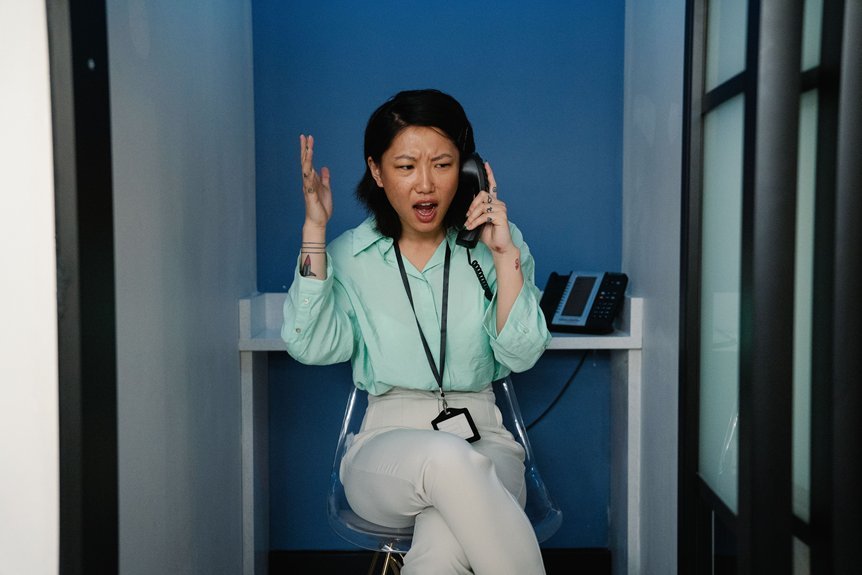
To address issues around 210-998-9393, start by clarifying the exact problem through caller symptoms, context, and objective checks. Map each symptom to likely causes and establish a concise, stepwise plan. Verify data inputs and provenance, assess timeliness, and flag mismatches early to avoid bias. Implement fixes in priority order, test against baseline metrics, and document decisions with expected outcomes and timeframes. This approach invites a disciplined follow-through that may reveal gaps worth exploring further.
Identify the Exact Problem With 210-998-9393
To identify the exact problem associated with the number 210-998-9393, one must first collect the caller’s symptoms and context, then verify the issue against known failure modes. The process emphasizes an objective, methodical approach: identify problem clearly, map symptoms to likely causes, and establish a concise troubleshoot approach that guides rapid, informed decisions toward resolution.
Verify Data Sources and Assess Potential Mismatches
Consider how data sources align with reported symptoms: verifying provenance, scope, and timeliness helps detect mismatches early. The section emphasizes objective evaluation of inputs to avoid bias. A detached view encourages careful checks, not assumptions. It advocates verify data and assess sources, comparing origin notes, collection methods, and update cadence to reveal gaps. Clear, concise, precise guidance supports reliable conclusions.
Apply Practical Fixes and Build a Troubleshooting Checklist
Has a structured approach been overlooked? Practitioners compile practical fixes by prioritizing root causes, then testing each intervention. A concise troubleshooting checklist guides actions from problem analysis to verification, ensuring changes align with objectives. Document decisions, expected outcomes, and timeframes. Emphasize data validation and cross-check results against baseline metrics. This disciplined framework supports freedom through transparent, repeatable problem-solving.
Prevent Recurrence With Documentation and Monitoring
Documentation and monitoring are essential to prevent recurrence, establishing a verifiable record of issues, decisions, and outcomes that can be referenced for future incidents.
The approach identifies symptoms, gathers logs, verifies data, and tests fixes, ensuring repeatable results.
Documentation enables accountability, while monitoring detects regressions promptly, supporting continuous improvement and freedom to adapt strategies without reworking prior conclusions.
Frequently Asked Questions
What Are Common Scams Associated With 210-998-9393?
Common scams involve spoofed IDs and callers pretending legitimate institutions; techniques include urgency, threats, and requests for personal data. Such schemes exploit trust, aiming to harvest information or money, prompting caution and verification before engagement.
How Can I Identify Spoofed Caller IDS?
They identify spoofed numbers by analyzing inconsistencies, call metadata, and carrier signals, then detect caller ID spoofing through cross-checks with trusted sources. The approach invites skeptical audiences seeking freedom from deception and manipulation.
What Privacy Steps Protect My Device From Calls?
Privacy steps protect devices through device hardening, routine updates, and blocking unknown numbers. It emphasizes awareness of spoofing indicators and scam awareness, enabling individuals to maintain autonomy while enforcing privacy practices that reduce unwanted calls.
Which Timeframe Indicates a Persistent Issue Versus One-Off?
A clockknife gleams, signaling consistency: a timeframe patterns where behavior recurs across days indicates persistent vs one off. The line between them lies in repetition, duration, and escalation; persistent shows repeated calls, one offs fade without pattern or delay.
How Do I Report Nuisance Calls to Authorities?
Reporting channels exist; authorities use regulatory processes to handle nuisance calls, considering spoofing indicators and preserving privacy best practices. The approach should empower individuals while ensuring accountability, enabling informed reporting and persistent, lawful action against offending parties.
Conclusion
In the end, the issue around 210-998-9393 resolves like a well-tuned instrument. Each symptom is mapped to its cause, each data source cross-checked, and every fix tested against a known baseline. The process becomes a quiet choreography: verify, hypothesize, intervene, confirm. Documentation and monitoring set the rhythm for future beats, turning uncertainty into predictable cadence. The result is a resilient system, a lighthouse amid noise, guiding ongoing improvements with clarity and calm.