Horses experience stress in various ways, which can significantly impact their well-being. Understanding how they recover is essential for promoting their emotional health. Recovery involves intricate physiological and psychological processes that help restore balance. Observing their behavior and environment reveals the importance of consistent care and positive interactions. However, the nuances of their recovery process raise questions about the best practices for supporting these magnificent animals during challenging times.
Recognizing Signs of Stress in Horses
Stress in horses can manifest in various observable behaviors and physical signs that reflect their emotional state.
Common stress symptoms include increased heart rate, excessive sweating, and changes in appetite.
Equine behavior may also display signs of restlessness or aggression.
Recognizing these indicators is crucial for caregivers, as understanding a horse’s stress can lead to interventions that promote emotional well-being and freedom for these sensitive creatures.
Physiological and Psychological Recovery Mechanisms
When faced with stressful situations, horses engage in both physiological and psychological recovery mechanisms that are essential for their overall well-being.
These processes involve restoring hormonal balance, which aids in alleviating stress responses. Concurrently, behavioral changes manifest as the horse seeks comfort and security, promoting a return to normalcy.
Such adaptations underscore the resilience of these creatures in navigating their emotional landscapes.
Practical Strategies for Supporting Stress Recovery
Supporting a horse’s recovery from stress involves implementing practical strategies tailored to their unique needs.
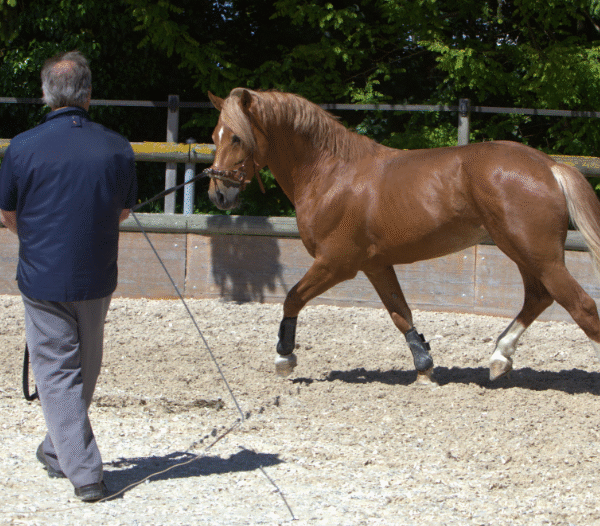
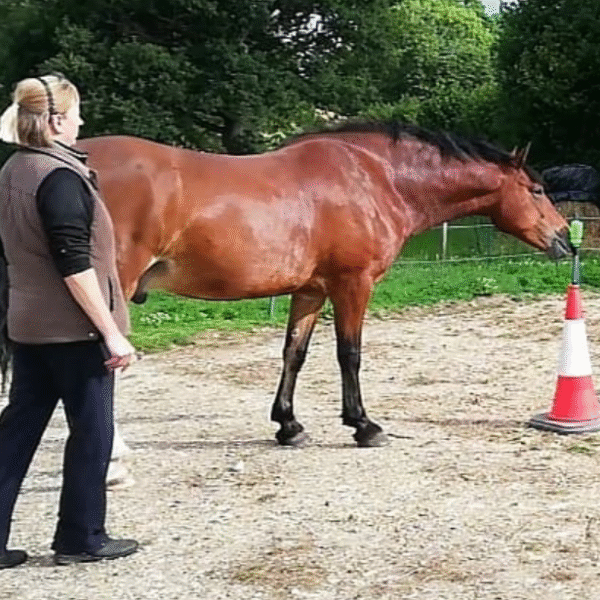
Effective stress management can include consistent routines, gentle handling, and building trust through positive interactions.
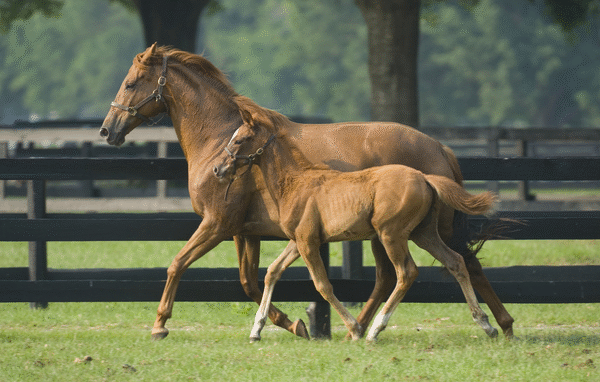
Additionally, environmental enrichment—such as varied grazing, companionship, and engaging activities—can foster emotional well-being.
These approaches create a supportive atmosphere, allowing the horse to regain equilibrium and embrace their inherent freedom.
Conclusion
In the delicate tapestry of a horse’s emotional landscape, recovery from stress is a gradual weaving of trust, routine, and gentle care. As the sun rises on new beginnings, the interplay of physiological restoration and psychological comfort unfolds, guiding these majestic creatures back to their serene state. Through nurturing connections and enriched environments, horses emerge from the shadows of anxiety, embodying resilience and grace, much like a flower unfurling its petals to bask in the warmth of a new day.