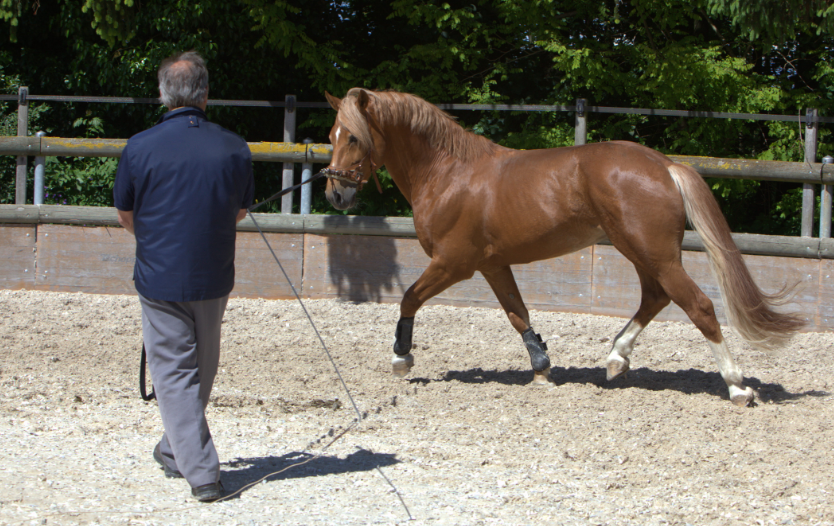
On race day, horses exhibit remarkable composure, a testament to their training and innate behaviors. Trainers play a crucial role in establishing routines that foster trust, while understanding the horses’ social nature aids in calming their instincts. Gentle handling and familiar rituals further enhance this tranquility. However, the intricate interplay of these elements raises questions about the deeper science behind equine stress management and its implications for performance. What truly keeps these majestic animals centered amidst the chaos?
The Role of Trainers in Preparing Horses for Race Day
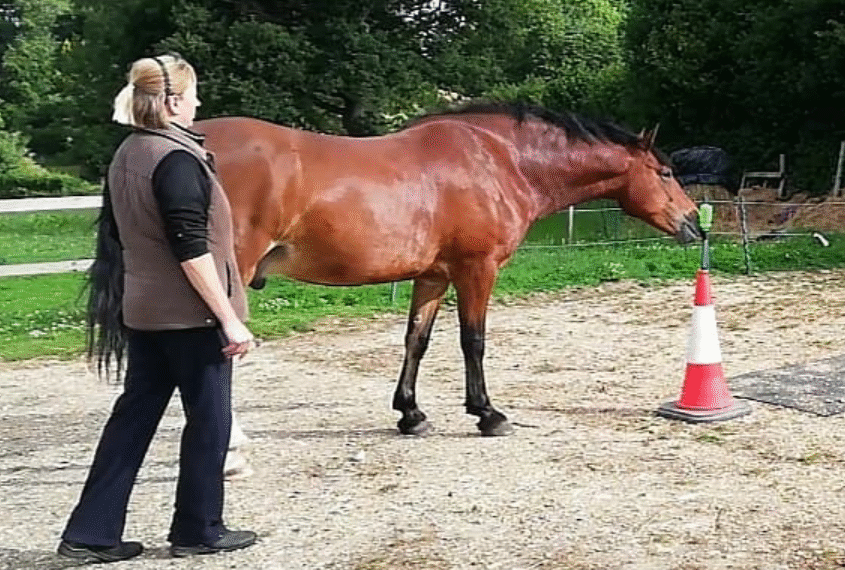
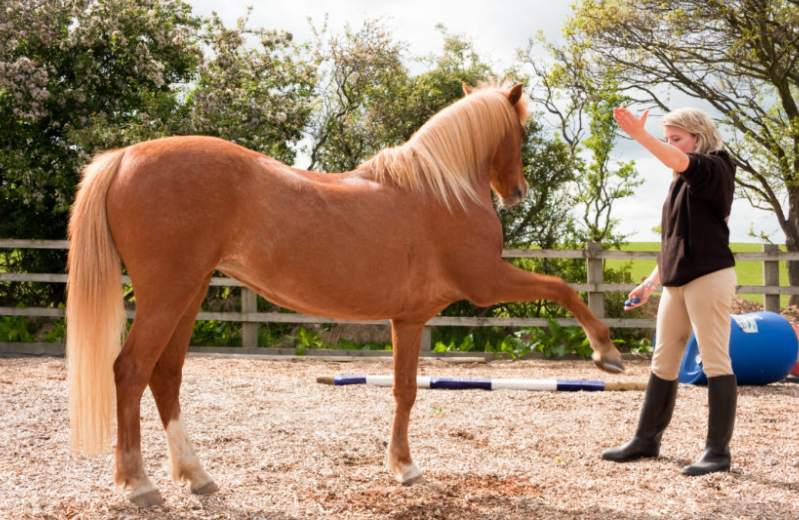
As trainers meticulously prepare horses for race day, the delicate balance between physical conditioning and mental composure becomes paramount.
Employing various trainer techniques, they assess each horse’s unique needs, fostering trust and confidence. Through careful routines and gentle handling, they ensure that these magnificent animals are not only fit but also calm, ready to embrace the freedom of the track while maintaining composure amidst the excitement.
See also: How Horses Sleep and Rest
Natural Instincts and Behavior of Horses
Horses are inherently social and intuitive animals, shaped by instincts that influence their behavior in both tranquil and high-pressure environments.
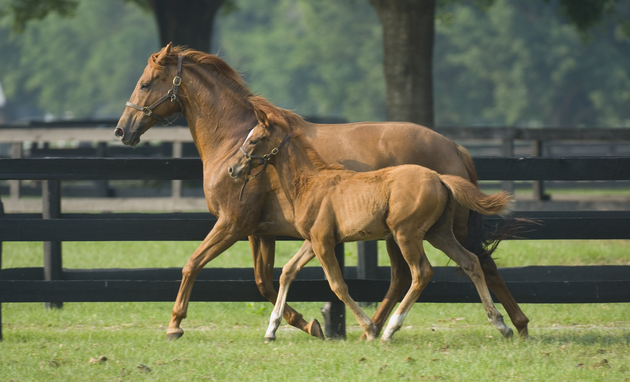
Their herd behavior fosters a sense of security, while their flight response keeps them alert to potential threats.
Understanding these natural instincts helps caretakers provide an environment where horses can thrive, balancing their need for companionship with the freedom to respond to their surroundings.
The Science of Equine Stress Management
A significant aspect of equine care involves understanding the physiological and psychological factors that contribute to stress in horses. Elevated stress hormones can impair performance and well-being.
Implementing relaxation techniques, such as gentle handling and familiar routines, can effectively reduce anxiety. By observing these responses, caretakers can foster a calmer environment, allowing horses to thrive and embrace the freedom that comes with reduced stress.
Conclusion
In the delicate dance of race day, horses exhibit a remarkable serenity, gracefully navigating the thrill of competition. Through the artful guidance of trainers who cultivate trust and familiarity, these majestic creatures find their calm amidst the excitement. Their natural instincts, combined with gentle handling and established routines, enable them to embrace the day with poise. Ultimately, this harmonious blend of preparation and understanding transforms what could be a chaotic experience into a symphony of composure and performance.