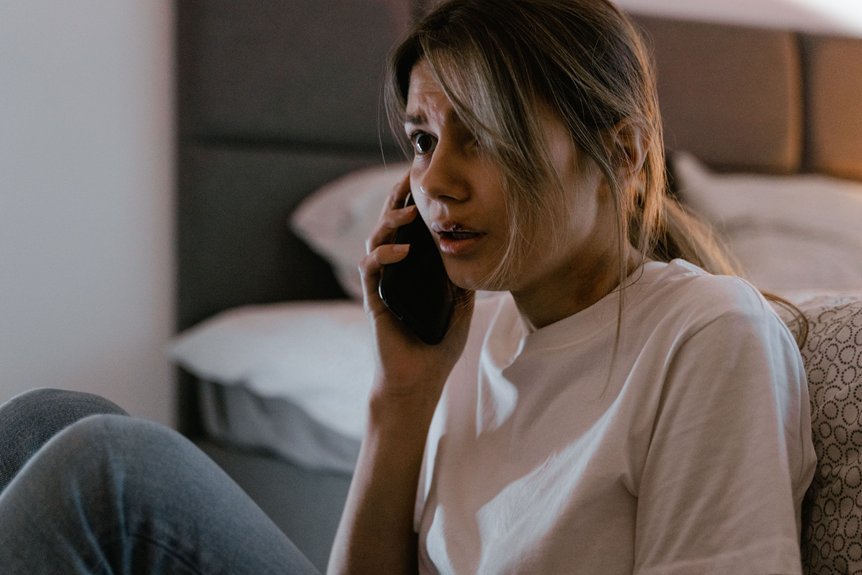
Common concerns about 332-378-1480 center on legitimacy, privacy, and potential spam. The guidance suggests verifying caller identity, consulting carrier scam alerts, and avoiding disclosure of personal data until trusted. Practical steps include strict call screening, triaging voicemails, and timing-bound communication. These measures reduce risk but leave questions about when to engage and how to verify a requester, prompting a careful, methodical approach before any response.
What 332-378-1480 Might Be Trying to Tell You
When encountering the number 332-378-1480, the reader should consider several plausible signals: it may indicate a legitimate call from a known contact, a misdial or spam attempt, or a business number that requires verification before sharing sensitive information. This assessment emphasizes concern signals and message interpretation, guiding careful interpretation while avoiding assumptions about intent or origin.
Is It Safe or a Scam? Quick Ways to Check
Is it safe or a scam? The article presents a concise method for evaluating calls from 332-378-1480 with a quick check approach. Indicators include unexpected requests, pressure tactics, or dubious links.
A scam alert may emerge from inconsistent caller details and poor pause for verification. For quick verification, compare IDs, search reputable sources, and avoid sharing personal data.
Protecting Your Privacy When This Number Calls
Protecting privacy is a practical complement to the quick safety checks discussed previously. The article notes privacy risks inherent to unsolicited calls and emphasizes secure handling of caller identification data. It recommends verifying the legitimacy of a number before sharing personal details, using caller ID settings, and maintaining minimal disclosure to protect autonomy without compromising essential communication.
Reducing Interruptions and Managing Future Calls
Reducing interruptions and managing future calls is essential for maintaining productivity and safeguarding privacy. The analysis highlights practical boundaries, such as call screening, voicemail triage, and time-blocked communication windows. Evidence indicates that structured contact policies reduce intrusions without restricting legitimate outreach. Adopting clear consent and opt-out options supports autonomy, while tech tools assist in reducing interruptions and managing future calls efficiently.
Frequently Asked Questions
What Common Caller Behaviors Indicate a Potential Issue?
Common indicators include repeated calls outside typical hours, evasive responses, reluctance to disclose identity, heightened urgency, and inconsistent information. Suspicious patterns involve abrupt topic shifts and multiple number variations. These signs warrant careful evaluation and documented, evidence-based attention.
How Often Do Legitimate Organizations Use Random Numbers?
“Numbers speak softly.” Legitimate organizations rarely rely on casually chosen digits; instead, how numbers are assigned follows defined policies, and why random sequences occur stems from security, privacy, or testing needs, not ordinary operations.
Can Spoofed Numbers Affect My Voicemail Security?
Yes, spoofed numbers can threaten voicemail security. Voicemail vulnerabilities include caller ID spoofing, while spoofing indicators may appear as unexpected messages or login alerts, prompting verification, password changes, or provider-assisted lockdowns to mitigate risk and preserve access.
Should I Ever Answer Unfamiliar Numbers at Work?
Should one answer unfamiliar numbers at work? It depends; cautious verification reduces risk. A policy favors caller ID checks, brief responses, and escalation for suspicious attempts. Unfamiliar Calls, Answer Etiquette.
What Records Should I Keep After Suspicious Calls?
What records should be kept after suspicious calls? The records should document caller behaviors, timestamps, call duration, and any numbers; note potential issue patterns, content indicators, and caller strategies to support evidence-based assessments and freedom-focused protections.
Conclusion
In evaluating calls from 332-378-1480, cautious verification and minimal disclosure are essential. Cross-check the number with known contacts, consult carrier scam alerts, and use strict call screening. If unsure, pause and verify through official channels before engaging. Adopt triage methods such as voicemails first and time-blocked communication windows to reduce interruptions. Remember the adage: “Better safe than sorry.” Clear, evidence-based steps protect privacy while maintaining access to legitimate contacts.