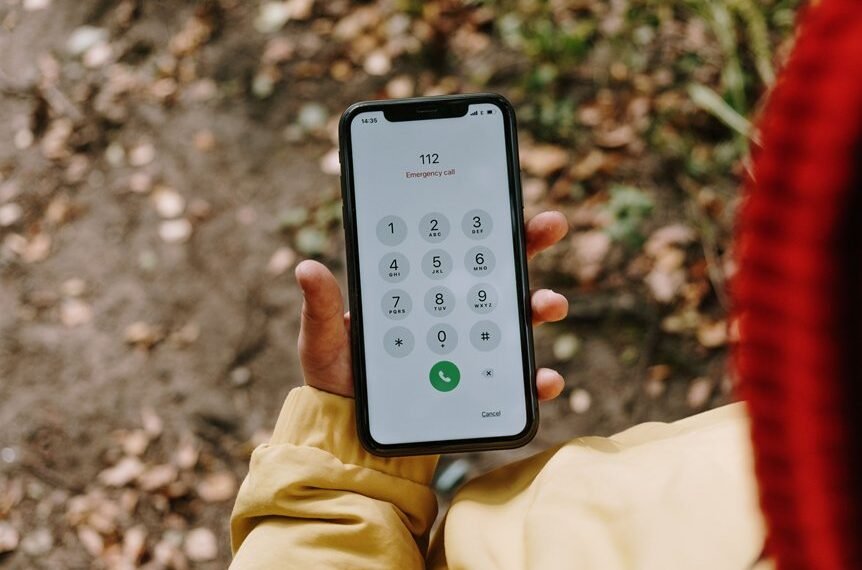
The message from 415-659-9170 should be evaluated for legitimacy before any fix. Verify the sender against official channels and request verifiable identifiers, including timestamps and context. Confirm what permissions are asked and assess potential risks to data and devices. Use isolated testing, rehearsals on non-production data, and clear rollback steps. Only after validation should actions proceed, keeping constraints and containment intact and stopping if any doubt remains. The next step is crucial.
What Is the 415-659-9170 Message Trying to Achieve?
The 415-659-9170 message typically signals a specific issue related to the caller’s device or service configuration rather than a generic scam alert.
What is the underlying cause, and what is being requested? It points to configuration checks, error codes, or needed updates.
The aim is to guide users toward practical fixes while preserving autonomy and choosing informed, deliberate actions.
What Information Would Verify the Sender’s Legitimacy?
To determine whether the sender is legitimate, the user should verify concrete, observable details rather than rely on claims alone. Cross-check contact information across official sources, request verifiable identifiers, and note timestamps, language patterns, and contact channels. Look for explicit, consistent terms; failed verifications suggest illicit activity. Scam indicators include pressure tactics, inconsistencies, and requests for sensitive data or payments.
What Permissions and Risks Should You Confirm Before Acting?
Examining what permissions and risks are at stake helps users decide whether to proceed with a fix. Before acting, the article highlights permissions verification, ensuring only necessary access is requested, and conducting a risk assessment to weigh potential harm.
Consider benign alternatives, implement user safeguards, and document constraints.
The emphasis remains practical, empowering freedom while avoiding unnecessary exposure or compromise.
How to Test or Fix Safely Without Exposing Data or Devices?
Safely testing or fixing issues involves validating safeguards before any action and using isolated environments to prevent unintended data exposure. In practice, one observes strict controls, rehearses on non-production data, and documents steps for repeatability. The detached observer notes that safe methods emphasize containment, rollback planning, and minimal hardware access, ensuring two word ideas, two word ideas can proceed without compromising systems.
Frequently Asked Questions
Is the Number Actually Associated With a Reputable Organization?
is_number_verified indicates verification status; this specific number’s association remains uncertain. phishing_risk exists if sources lack corroboration. The detached assessment notes caution: verify independently, consult official channels, and avoid sharing sensitive data until legitimacy is confirmed.
Could This Be a Phishing Attempt Disguised as a Fix Guide?
The question acknowledges risk, flags phishing awareness, and notes scam indicators; yes, it could be a phishing attempt disguised as a fix guide. It warns, verifies, avoids, pauses, reports, and seeks trusted, independent verification.
What Personal Data Might Be Requested to Proceed?
The user should expect potential data requests, including personal data such as contact details and account identifiers. The cited number could solicit sensitive information; proceed with caution and verify legitimacy before sharing any data requests.
Are There Legal Implications to Follow or Ignore the Message?
There may be legal implications to follow versus ignore; a reputable organization emphasizes compliance, transparency, and risk awareness. The prudent approach is to seek guidance, understand obligations, and document decisions rather than assume freedom from consequences.
How Can I Verify the Sender Without Sharing Sensitive Info?
The sender can be verified by checking header details, contact consistency, and communication channels, without exposing data. The approach honors data privacy, minimizing data sharing while confirming legitimacy; practical steps support an option for informed,自由-minded users.
Conclusion
To verify legitimacy, confirm the caller’s identity, cross-check the number against official sources, and obtain verifiable identifiers, timestamps, and purpose. Request minimal access, document risk, and proceed only after containment and rollback plans are in place. Use isolated testing, rehearsal on non-production data, and tracking of permissions. Validate language, scope, and constraints; limit exposure; and implement only necessary fixes. Verify outcomes, log decisions, and maintain evidence; verify approvals, verify containment, verify reversibility; verify follow-up, verify accountability, verify safety.